|
Knee Dislocation
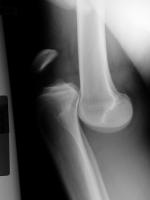 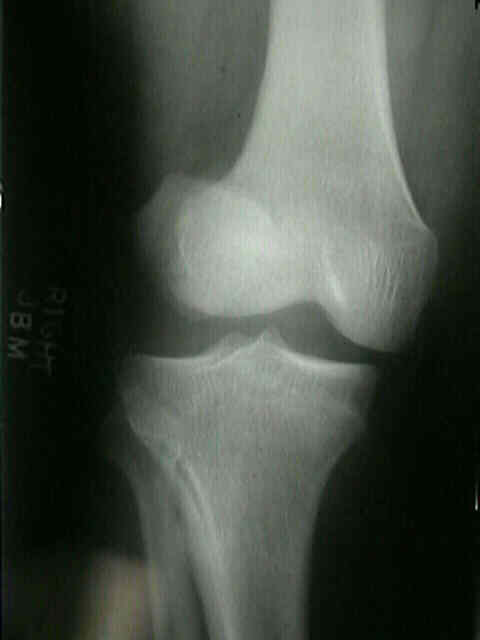 This
injury should not be cared for at home. It is best to get medical care as soon
as possible. Immobilize the area in the position it was found. Do not attempt
to straighten the leg yourself, as you may do further injury to the bones and
blood vessels of the leg. This
injury should not be cared for at home. It is best to get medical care as soon
as possible. Immobilize the area in the position it was found. Do not attempt
to straighten the leg yourself, as you may do further injury to the bones and
blood vessels of the leg.
Placing ice on the injured area may help
for some pain control and to decrease some of the swelling. But the most
important treatment is to have a doctor assess the injury and relocate or put
the knee back in place.
Medical Treatment
- Relocation: The
doctor will move your knee joint and lower leg back into position after
sedating you or giving you a general anesthetic.
- Immobilization: To
keep further injury from happening and to help with the beginning of healing,
the entire knee joint will be kept in a splint or immobilizer after the knee
joint is moved back into place. This will keep the knee from bending and help
the tissues to start healing.
- Referral: A knee
dislocation almost always has severe tears of the ligaments and sometimes has
breaks in the bones of the knee. Often there are injuries to the blood
vessels that may require immediate repair to restore circulation to the leg.
After swelling has gone down, the knee joint may need surgery to regain
function. A bone specialist (orthopedist) will need to see you after this
injury.
-
First Aid Case List -
back to top - |